
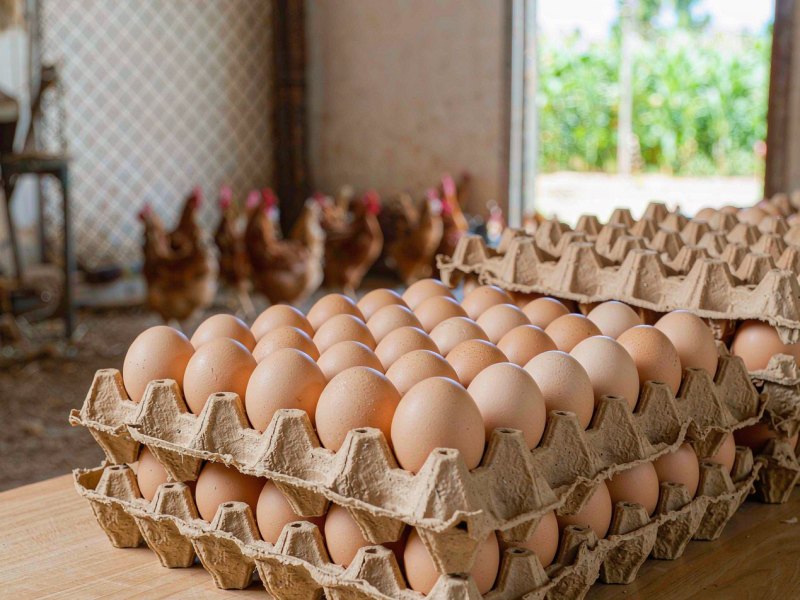
In the second week of October, egg producers across Nigeria marked World Egg Day, the annual event created by the International Egg Commission to promote eggs as an affordable source of quality protein. The 2026 edition, held on the second Friday of October under the theme Protein That Powers and Protects, marked the thirtieth anniversary of the celebration. Behind the nutritional message, however, the industry used the occasion to confront a very practical problem, the recurring egg glut that leaves producers holding unsold stock while eggs lose freshness on the shelf.
An app aimed at an old problem
The Egg Sellers and Distributors Association of Nigeria, known as ESDAN, marked the day with the launch of an application called EggHome. According to ESDAN National President Mrs Olaide Graham, the platform is designed to connect producers, distributors, sellers and consumers directly. The aim is to cut out the unfair pricing and exploitation that creep into the distribution chain, and to help eggs reach buyers faster during periods of oversupply. For a farmer who has watched a full crate lose value in a hot store room, a shorter route to the buyer matters as much as a better price.
Good nutrition, hard economics
The message from animal scientists and poultry associations during the week was consistent. Eggs remain one of the cheapest sources of animal protein available to Nigerian households, and experts who gathered in Ilorin for an event organised by the Animal Science Association of Nigeria and the Poultry Association of Nigeria, Kwara State branches, argued that regular egg consumption can help curb child malnutrition and stunted growth. Yet the same meetings heard a warning about the cost side. The Poultry Association of Nigeria has said that feed alone accounts for sixty-five to seventy per cent of a poultry farmer's input costs, so when feed, day-old chicks and other inputs rise, the farmer feels the squeeze long before the shopper does.
What it means for poultry farmers
Two lessons stand out for anyone running a flock in West Africa. The first is that market access is now part of farm management, not a separate problem. Tools that shorten the distance between the farm and the buyer, whether an app or a simple WhatsApp group of regular customers, protect the value of every crate you produce. The second is that feed efficiency is the cost you can actually control. Since feed is the largest line in the budget, small improvements in conversion have a bigger effect on margin than chasing a higher selling price. That means buying quality ingredients, storing them properly to keep out mould, and making sure the ration and the additives in it are genuinely doing their job batch after batch.
At Jinmao Biotech we supply premixes and feed additives that help layer and broiler flocks get more from every kilogram of feed. If you would like to review your current ration or discuss a layer premix for your farm, reach out on WhatsApp and our technical team will assist.