
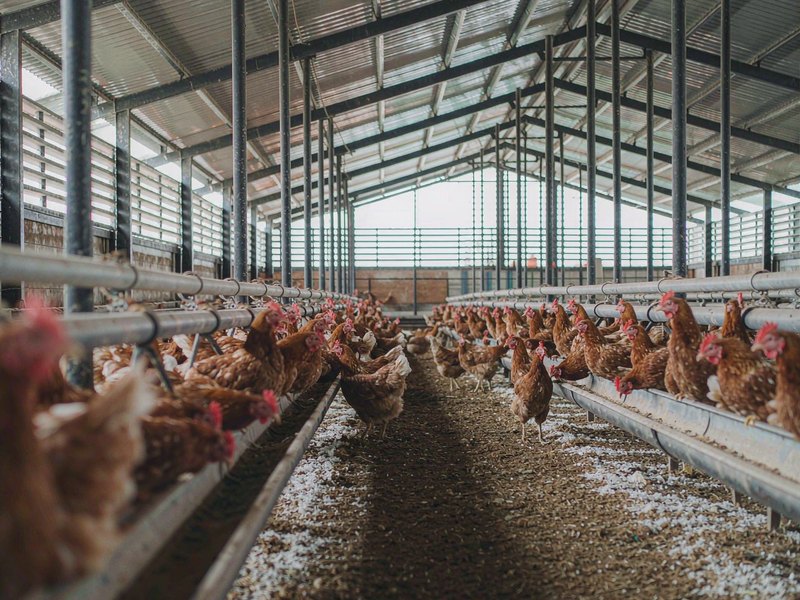
Ask an experienced layer farmer when a flock is really won or lost and few will point to the laying house. Most will point to the rearing period, the sixteen weeks or so before the first egg arrives. A pullet that reaches the right body weight with a strong frame and even flock uniformity will come into lay on time, peak well and hold production. A pullet that is light, heavy or uneven will cost you eggs for the whole laying year. That is why knowing how to feed pullets for better egg production is one of the most valuable skills a layer farmer can build.
The starting point is not the feed bag but the target table. Every major breed publishes a growth guide with weekly body weight targets. Weigh a representative sample of birds every week, at least one hundred birds from different parts of the house, and compare the average against the guide. Uniformity matters as much as the average. If most birds fall within ten percent of the flock average, the flock is even and will respond to light stimulation at the same time. If uniformity is poor, sort the birds into weight groups and feed each group according to its need.
From day one to about six weeks, pullets need a high quality starter with generous protein, typically around nineteen to twenty percent, because they are building muscle, bone and immune defences at maximum speed. Never stretch a cheap starter to save money here. Growth you lose in the first weeks is very hard to recover later.
From about seven to the mid teens, the goal changes. The pullet should keep growing steadily toward her target weight for age, but she should not be pushed into rapid fat deposition. A grower feed with moderate energy and roughly fifteen to sixteen percent protein usually fits this phase. Watch weights weekly. If birds run ahead of target, slow the growth gently rather than starving them, because abrupt restriction creates unevenness. If they run behind, raise the allowance. During this phase also keep the day length stable and never increase light hours before you intend to stimulate lay.
In the two weeks or so before the first egg, move the flock onto a pre-lay ration with a moderate calcium level. The young hen is now filling her skeleton with calcium for the shells to come. After the first eggs appear, switch to a proper layer feed with the full calcium level her breed guide recommends. Transferring birds late, or leaving them on grower feed while they start laying, is a classic cause of thin shells and bone problems in early lay.
West African conditions add their own twists. High temperatures reduce what pullets can eat, so offer feed in the cooler hours and keep water clean and abundant at all times. Stress from beak treatment, vaccination or transport should never overlap with a weighing that shows birds behind target, because the same birds will need every gram they can eat. Keep records of feed issued, weights and mortality every single week, and act on the numbers rather than on impressions.
Well reared pullets repay the discipline with an earlier, higher and more persistent lay. If you formulate your own grower and pre-lay feeds, a reliable vitamin and mineral premix is the part of the recipe you should never compromise on. Jinmao Biotech supplies layer and pullet premixes built for tropical conditions, and our technical team is happy to review your rearing programme. You can reach us on WhatsApp for a free feed plan discussion.