
Weaning Piglet Gut Health: Cutting Post-Weaning Diarrhoea Without Zinc Oxide
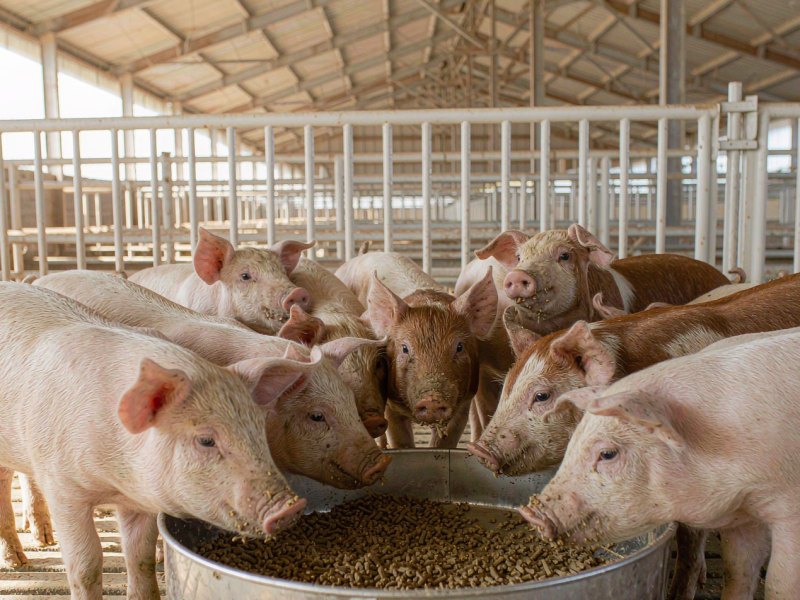
Weaning is the single most stressful event in a pig's life. Between 21 and 28 days the piglet loses its mother's milk, changes diet, changes pen and is mixed with unfamiliar animals, all within a few hours. Feed intake collapses for two or three days, the gut lining shortens and the protective mucus layer thins. Within a week, watery diarrhoea can hit 20 to 40 percent of the batch. In West Africa, where nursery mortality quietly eats into margins, this is the period worth managing hardest.
Why post-weaning diarrhoea happens
The main culprit is enterotoxigenic E. coli (ETEC), which multiplies in an undigested, low-acid small intestine. Three things open the door: too much feed arriving at once, a gut pH that stays too high because the piglet no longer receives lactose from milk, and a gut that has not yet built a stable microbial population. Control those three and you control most of the problem.
1. Feed little, feed often, and keep the piglet eating
Do not try to catch up after weaning with a big feed allowance. Offer small meals four to five times a day during the first week, and use a creep feed the piglets already recognise. Every hour without feed weakens the gut wall. Palatability is not a luxury feature, it is a health tool.
2. Acidify the feed or the water
Organic acids (formic, lactic, fumaric, citric and their blends) lower stomach pH, inhibit E. coli and improve protein digestion. Blended acids work better than single ones because they act at different points of the digestive tract. Acidification is the most reliable replacement for the growth-promoting doses of zinc oxide that are no longer permitted in the European Union and are being restricted elsewhere.
3. Piglet gut health feed additives that actually work
Probiotics (live yeast, Bacillus, Lactobacillus), prebiotics and yeast cell wall products (MOS, beta-glucans) help the piglet colonise its gut with useful bacteria instead of pathogens. Medium-chain fatty acids and coated essential oils have a direct antibacterial effect in the small intestine. Phytase and carbohydrase enzymes release more nutrients from the same feed, so less undigested material reaches the hindgut: a simple way to reduce diarrhoea and feed cost at the same time.
4. Keep protein quality high but total protein moderate
Excess crude protein ferments in the hindgut and feeds the wrong bacteria. Stay at the level suited to the piglet's weight, use highly digestible sources (soybean meal, fishmeal, whey), and add synthetic amino acids such as lysine, methionine, threonine and tryptophan to hold performance without overloading the gut.
5. Hygiene, water and comfort
Feed left in the trough ferments within hours. Clean feeders and drinkers daily, keep the floor dry, hold the nursery at 28 to 30 degrees Celsius in the first week with no draught at piglet height, and allow 25 to 30 cm of trough space per piglet. Zinc, selenium, vitamin E and vitamin C support the immune response during this window, so check that your premix really covers the nursery specification.
A practical checklist for the nursery
Weigh piglets at weaning, track daily feed intake and record every diarrhoea treatment. If more than 5 percent of a batch needs treating, review water quality, dietary protein level and the acidification rate before adding another product.
A balanced nursery premix that combines organic acids, probiotics, enzymes and trace minerals usually costs less than treating an outbreak, and it keeps growth on track while feed prices rise. Tell us your piglet weaning weight and your target daily gain, and our team on WhatsApp will suggest a practical nursery specification for your farm.