Mycotoxin Control in Poultry Feed: A Practical Protocol for West African Farms
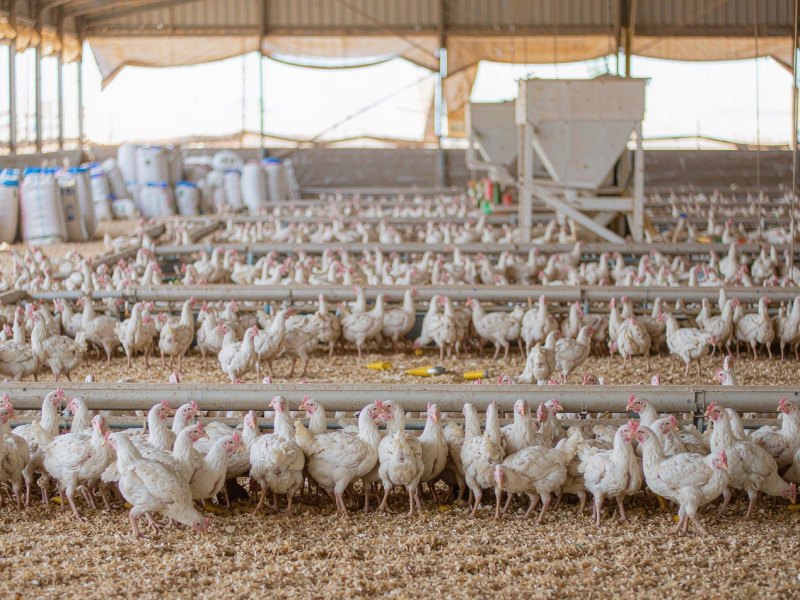
Mycotoxins are the quietest losses on a poultry farm. Birds do not die in a day; they eat less, grow slower, lay fewer eggs and respond poorly to vaccination. In West Africa the risk is built into the system: a warm, humid climate, long storage under tarpaulins, and maize or groundnut meal bought by the truckload without a certificate of analysis. By the time the damage is visible, a full cycle of margin is gone.
Why aflatoxins matter more than most farmers think
The mycotoxins that hit poultry hardest are aflatoxin B1, produced mainly by Aspergillus flavus in maize and groundnuts, and the Fusarium toxins — deoxynivalenol (DON), zearalenone (ZEN) and fumonisins — found in maize, wheat and soybean meal. Aflatoxin B1 attacks the liver and is the most strictly regulated worldwide. Even chronic, low-level intake that causes no obvious symptoms reduces feed intake, damages the liver and suppresses immunity; in layers it cuts egg production and shell quality. A flock that just looks a little off for weeks is often a flock with a mycotoxin problem.
1. Buy on quality, not only on price
The cheapest maize is often the most expensive feed. Ask for the moisture content of every load: grain above 14 per cent moisture is a storage risk, not just a delivery problem. Reject grain that is discoloured, musty or hot to the touch. Where possible, buy from suppliers who dry grain properly on a hard surface, not on bare ground, and who can provide a certificate of analysis.
2. Store dry, cool and off the floor
Most mould growth happens in your own store, not in the field. Keep feed and raw materials on pallets, away from walls, with good ventilation and no roof leaks. Rotate stock so that old bags leave first. Under West African conditions, hold no more than four to six weeks of maize at a time during the rainy season.
3. Match the binder to the toxin
Not all mycotoxin binders are equal. Aluminosilicates and bentonites bind aflatoxin well but are weak against DON, zearalenone and fumonisins. For those, yeast cell wall products (esterified glucomannans) and enzymatic deactivators are more effective. In practice a blended binder gives broader cover than a single clay, and it should be included in every batch of feed, not only when a problem is suspected.
4. Support the liver and the gut
Low-level exposure continues even with good binders, so support the bird from the inside. Choline, methionine and B-vitamins help liver function, while vitamin E and selenium help birds cope with oxidative stress. A sound premix programme and clean water keep gut health strong and limit the secondary bacterial problems that follow mycotoxin damage.
The takeaway
Mycotoxin control is a routine, not an emergency. Buy drier, store smarter, bind the full range of toxins and support the liver through the whole cycle. Farms that work this way lose fewer birds, get better feed conversion and are paid for the eggs and meat their feed was meant to produce. Jinmao Biotech supplies compound premixes and feed additives for poultry, cattle, pigs and small ruminants across West Africa — message our team on WhatsApp for a product data sheet.