
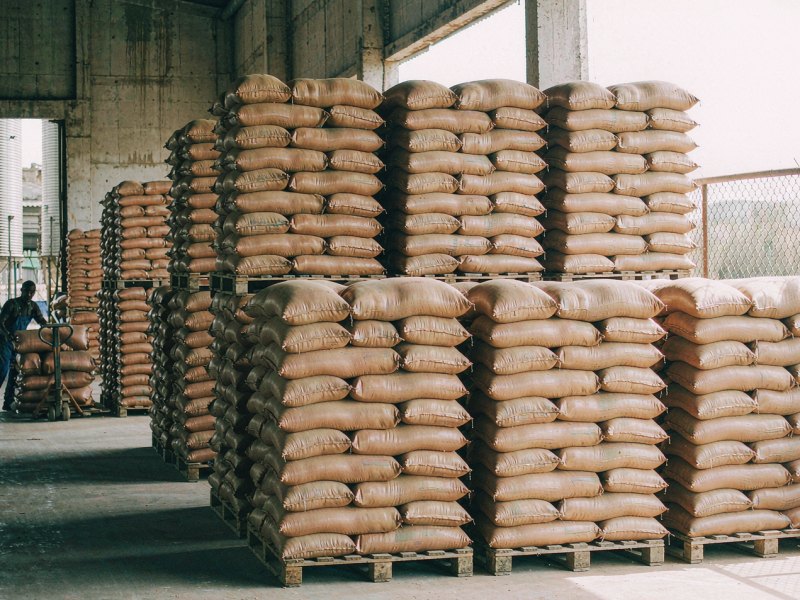
Côte d'Ivoire has moved to the front of the pack on feed affordability in West Africa. In late October, the Minister of Animal and Aquatic Resources, Sidi Tiémoko Touré, announced that the government plans to apply a zero VAT rate to livestock feed and related agricultural inputs from 2027. The announcement was reported by RFI and relayed by the ministry. For poultry and pig farmers who watched feed costs climb through 2026, it is the clearest signal yet that Abidjan wants the cost of animal protein down at the source.
How the tax on feed changed in one year
The path to this point explains why producers welcomed the news. For years, livestock feed and inputs enjoyed a VAT exemption in Côte d'Ivoire. In 2026, a tax reform removed that exemption, and feed was first taxed at the standard 18 percent rate. After strong pressure from the livestock sector, the rate was lowered to 9 percent. Now the government plans to go all the way to a zero rate from 2027. Feed and related inputs represent more than 60 percent of total livestock production costs in the country, so the difference between 18, 9 and 0 percent on the invoice moves the whole economics of a poultry or pig unit.
What the measure is designed to do
According to the ministry, the zero rate aims to cut production costs across the chain, support local feed processing capacity and reduce dependence on imported animal products. The government has already used partial tariff reductions on feed-related imports to help the local feed industry grow. Cheaper inputs should translate into eggs and broilers that compete better against imported frozen poultry, which remains the main competitor in Ivorian markets.
Three things buyers should do before 2027
First, do not budget on a promise. The zero rate still has to be written into the 2027 finance law, and the ministry itself has said the timing and implementation details await confirmation in the tax legislation. Treat zero VAT as a planning assumption, not a fact, until the law is published.
Second, review your current supplier quotes. Feed bought today carries the 9 percent rate. When the zero rate takes effect, ask for the change to be passed through on the invoice rather than absorbed into margin. A written price adjustment clause in your supply contracts is the simplest protection.
Third, if you mix your own feed, remember the benefit travels through your inputs too. Vitamins, mineral premixes, enzymes and other feed additives fall under the same policy direction, which lowers your landed cost even before finished feed prices move. For farms importing premix directly, that is a direct saving on each container.
A tax change does not fix transport costs, exchange rates or raw material seasons, and retail prices rarely fall as fast as policy announcements. But between the 2026 reform and the zero VAT plan, Côte d'Ivoire is building one of the more coherent feed policy frameworks in the region. Buyers who track the 2027 finance law and lock their premix and additive supply early will be best placed when the measure lands. If you import vitamin and mineral premixes for your own feed mill, our team ships across West Africa and can quote in FCFA, reach us on WhatsApp for product details and lead times.