Ghana Poultry Self-Sufficiency Climbs from 5% to 21%: What It Means for Feed Demand
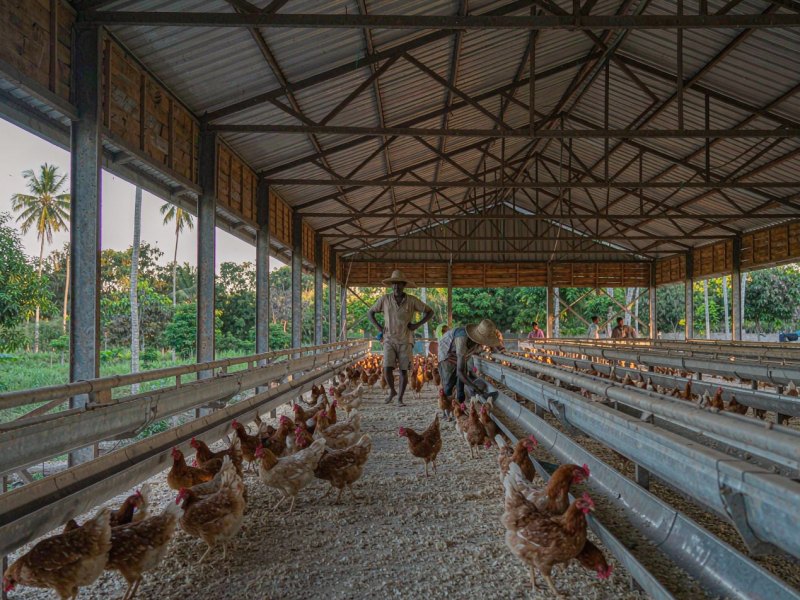
Ghana's Feed Ghana Programme (FGP) has reported its strongest results since launch, and the numbers matter for anyone selling feed or additives into the region. In an interview with the Ghana News Agency at the second West Africa Agri Show in Accra, the programme's National Coordinator, Bright Kwadzo Demordzi, said national maize production has now exceeded 100 per cent of domestic consumption, rice self-sufficiency has risen from 42 to 56 per cent, and poultry self-sufficiency has climbed from 5 to 21 per cent in 17 months.
What was announced
The FGP was launched in April 2025 as an import-substitution programme covering crops and livestock. Officials credit the Nkoko Nkitinkiti poultry programme, subsidised fertiliser and farm inputs, and improved irrigation infrastructure. Government funding included GH¢1.5 billion for agriculture in the 2025 budget and a further GH¢245 million in 2026, covering the FGP, grains and vegetables and the Nkoko Nkitinkiti livestock programme. Demordzi said the programme is on course and expects full poultry self-sufficiency within two to three years. Its next phase begins in October, focusing on linking farmers to value-chain buyers and on storage, transport and processing technology, with further measures expected to bring prices down by December.
Why poultry self-sufficiency is a feed story
Every extra point of poultry self-sufficiency is demand for feed. A flock is only as good as the ration it receives, and feed is 60 to 70 per cent of poultry production cost in the region. As Ghanaian output grows, so does demand for maize and soybean meal — and for the premixes, minerals, amino acids and additives that turn raw materials into a balanced ration. Faster growth also raises the stakes on quality: a flock pushed for production needs consistent nutrition and strong gut health.
The bottleneck to watch
Demordzi was candid that harvesting is now ahead of off-taking. Abundant harvests are worth little if storage and processing capacity lag, and that is exactly where mycotoxin and quality risk enters the chain. Grain held too long, or dried and stored poorly, loses value quickly. For feed mills and integrators, the opportunity is not only volume but technical service: helping farmers get more saleable meat and eggs from every tonne of feed.
What it means for suppliers
West Africa is moving from import dependence towards domestic production — unevenly, but measurably. For premix and additive suppliers, this means more flocks, more locally available raw materials and buyers who increasingly ask for consistent specifications and technical support. It is a shift in the market, not just a policy headline. Jinmao Biotech supplies compound premixes and feed additives for poultry, cattle, pigs and small ruminants across West Africa — message our team on WhatsApp for product data sheets and technical support.