
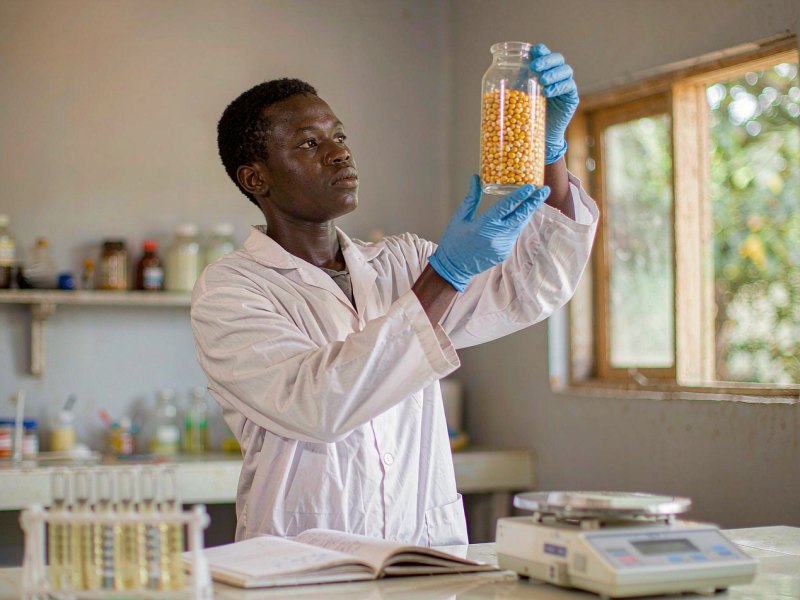
Why a laboratory result is worth more than a good look
Every experienced farmer can spot moldy maize, smell rancid fishmeal or squeeze a handful of feed to judge moisture. These quick checks, which we described in a recent article, are essential and cost nothing. But they cannot see aflatoxin at 40 parts per billion, they cannot tell you whether your soybean meal was correctly toasted, and they cannot confirm that the premix you paid for actually contains 0.85 percent phosphorus. That gap between what your eyes catch and what really affects performance is where laboratory testing earns its money.
When sending a sample is worth the fee
Four situations justify paying for analysis. First, a new supplier - test the first two or three loads before you commit to monthly deliveries. Second, a price dispute - if you pay premium rates for soybean meal, a crude protein result between 44 and 48 percent is your evidence at the negotiation table. Third, unexplained performance problems - when layers drop 5 percent in production or broilers lose 3 points of feed conversion with no disease and no management change, feed quality is one of the first suspects. Fourth, a large seasonal purchase - before stocking 200 bags ahead of the rainy season, test a composite sample, not one bag from the top.
Sampling decides half of the result
A laboratory can only analyse what you send it. Take a composite from at least ten points across the stack or the delivery, never from one corner. Mix on a clean surface and reduce to roughly one kilogram by quartering. Seal it in an airtight bag, label it with supplier, date and delivery number, and keep a duplicate in case the first result is disputed. A sample taken from a single spilled handful will give you an expensive answer about nothing.
Which tests to order
Order what matches the risk, not everything on the price list. For maize, aflatoxin B1 is the priority, since poultry feeds should stay below 20 ppb, and in a wet season add deoxynivalenol, zearalenone and fumonisin. For soybean meal, order the proximate panel - moisture, crude protein, fat, fibre and ash - plus urease activity, which reveals under- or over-toasting that harms young animals. For premix and self-mixing, calcium, phosphorus and salt checks confirm your dosing, while a trace mineral panel once or twice a year is enough. A full proximate panel on a suspicious ingredient answers more questions than three separate single-parameter tests.
Making the numbers pay
Compare results against book values - soybean meal at 40 percent protein when you paid for 46, or maize at 15 percent moisture sold as 12, are grounds for renegotiation or rejection. Keep a results file per supplier so patterns appear across seasons. One truckload of maize can cost more than a small farm spends on testing in a whole year, so every test fee is insurance, not an expense.
Testing tells you where the problem hides. Fixing it needs sound formulation. Jinmao supplies premixes with a certificate of analysis for every batch, and our team on WhatsApp can help you design a testing routine that fits your budget.