
Feed Grain Prices Hit Multi-Year Highs: What West African Livestock Farms Should Do Now
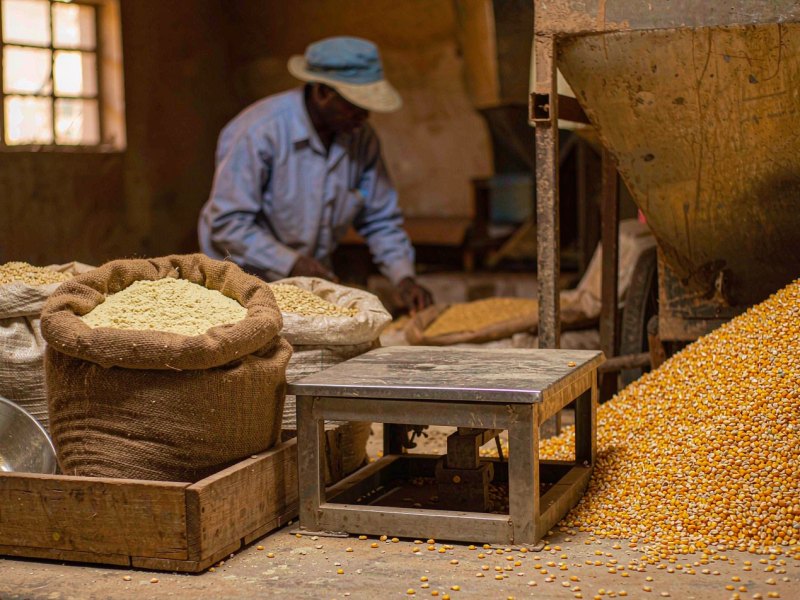
Feed buyers across West Africa are feeling the squeeze. In its monthly update released on 2 October, the UN Food and Agriculture Organization (FAO) reported that its Cereal Price Index averaged 122.8 points in September, up 5.1% from August and 17.2% higher than a year earlier. Global maize prices rose 5.6% in a single month to their highest level in more than three years, and sorghum climbed 13.7%.
What is driving the increase
FAO points to three main pressures. Yields in the United States came in below expectations, Brazil is exporting less maize, and logistical disruptions in the Black Sea region have reduced export availability, while uncertainty over shipping through the Strait of Hormuz keeps fuel, fertiliser and freight costs elevated. FAO now forecasts 2026 world cereal production at 2,979 million tonnes — down 2.1% from 2025, though still the second-largest harvest on record. The overall Food Price Index averaged 136.0 points in September, 5.8% above its level a year earlier.
The West African angle
Imported feed inputs pass these movements straight through to farm gates in the region, while demand for commercial feed keeps growing. Nigeria's Livestock Master Plan 2026–2040, adopted in April, estimates the country's annual feed dry-matter availability at 194.7 million tonnes against a requirement of 212.4 million tonnes — a shortfall of 8.3% — and projects the cattle herd to grow from about 61 million head towards 75 million by 2040. In September, agribusiness Olam Agri launched its first cattle feed range in Kaduna, a sign that major players expect ruminant feeding to industrialise. For poultry, FAO's meat price index eased 1.1% in September on softer poultry quotations — farms are caught between cheaper output prices and dearer feed.
Five practical responses for farms
1. Buy early and store properly. Waiting for prices to fall is a gamble. Securing maize and bran right after harvest usually beats panic buying.
2. Cut invisible losses. Feeder design, pellet quality and storage pests can quietly waste 2–5% of every tonne you buy.
3. Make every tonne convert better. Improving feed conversion by 0.05 in broilers saves roughly one kilogram of feed per bird over a cycle — a direct cushion against high grain prices.
4. Do not strip out the vitamins and minerals. Diluting the ration to save money without rebalancing the premix slows growth and extends the cycle, which costs more than it saves.
5. Reformulate with locally available ingredients. A nutritionist can often rebalance a ration around alternative energy or protein sources at a lower cost than importing.
A quality premix is the cheapest part of the ration — and the part that decides how efficiently the expensive ingredients are used. Jinmao Biotech manufactures poultry, cattle, pig, sheep and goat premixes and export feed additives, with formula support for West African raw materials. Contact us on WhatsApp for a quotation adapted to your current feed prices.