
Fuel Prices Are Squeezing Nigerian Livestock Farms: What Petrol at ₦1,400 Means for Feed Costs
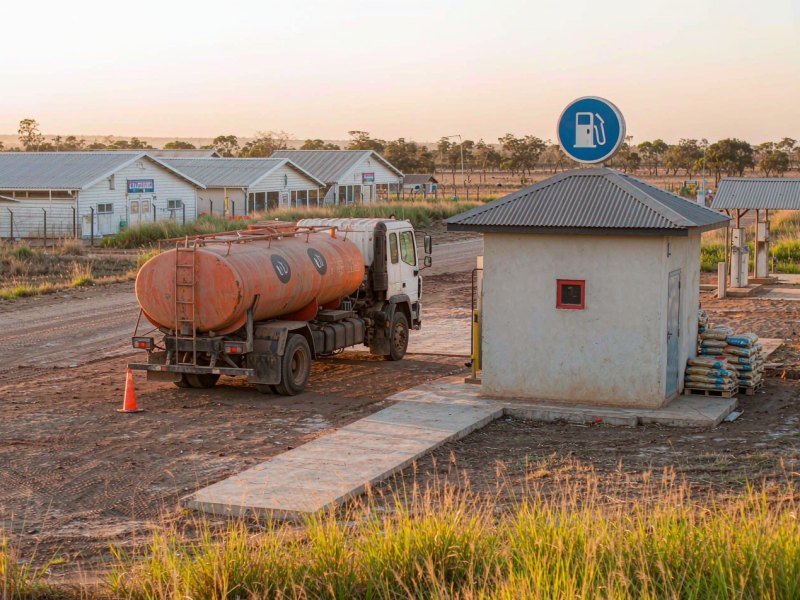
Petrol and diesel prices in Nigeria have climbed again in early October 2026, and the bill is landing directly on livestock farms. AgroNigeria reports petrol selling at around 1,400 naira per litre in Lagos and Abuja, close to 1,500 naira in parts of the north, with diesel above 2,000 naira per litre. At the wholesale depots on 9 October, petrol reached 1,900 naira per litre in Port Harcourt and diesel hit the same level in Warri, after Brent crude crossed 105 dollars a barrel on renewed supply fears around the Strait of Hormuz.
Where the cost lands on a farm
Fuel touches almost every step of animal production. Borehole pumps and generators run the water system, feed mills grind maize on diesel, and trucks move day-old chicks, finished birds, pigs and cattle to market while carrying maize, soybean meal and concentrate the other way. A poultry farmer in Osun State told AgroNigeria his farm spends more than 100,000 naira a week on fuel alone, while a 25 kg bag of feed now costs around 20,000 naira. In Kano, traders at the Dawanau International Grains Market say haulage has become a serious share of what buyers pay for a bag of maize before it ever reaches the mill.
Feed is the amplifier
Feed already accounts for 60 to 70 per cent of poultry production cost in the region, and grain prices respond quickly to transport costs. This chain is exactly how fuel prices affect poultry feed cost in Nigeria: ingredient prices climb, mill delivery charges climb, and farm logistics climb on top. The farms that suffer most are those whose ration was already loose — inconsistent quality, unbalanced mineral levels, poor conversions. A flock that converts feed at 1.9 absorbs a price shock far better than one converting at 2.4.
What producers can actually do
Three practical responses stand out. First, measure: record feed conversion per batch and per house, because you cannot cut a cost you do not track. Second, protect feed efficiency: balanced premixes, sound gut health and dry, well-stored feed turn the same naira of ingredients into more kilogrammes of meat or eggs. Third, buy smart: compare ingredient prices net of transport, group orders with neighbouring farms where possible, and avoid panic buying that fills the store with damp, mouldy grain.
The wider picture
Analysts link the current spike to tanker incidents near the Strait of Hormuz and to rising international crude prices, not to any domestic policy change, which means the situation can ease as quickly as it worsened. But the direction of travel for Nigerian energy costs has been upward since the 2023 fuel subsidy removal, and fuel-efficient, feed-efficient production is now a permanent requirement rather than a temporary adjustment.
Jinmao Biotech works with West African feed millers and farms on premixes and additives that raise feed conversion where it matters most. If rising input costs are squeezing your margins, send us your current formulation on WhatsApp and we will review it with you.